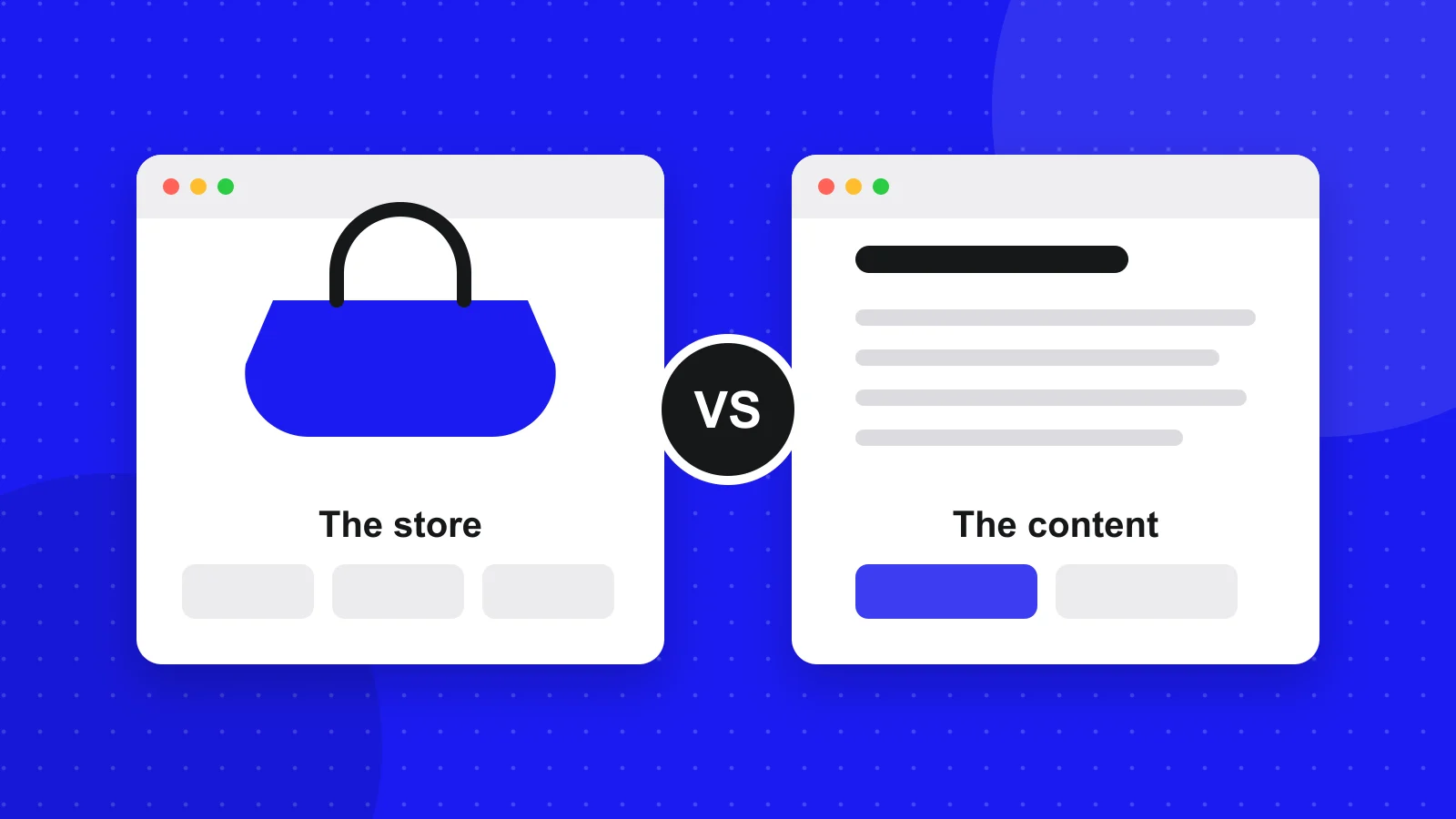
If selling is the main job, lean Shopify
Shopify is built around a store. Products, inventory, discounts, taxes, shipping and a well-tested checkout all come as part of the platform, and it stays secure and up to date without you doing anything.
If most of your visitors are there to buy, that head start is hard to beat, particularly for stores that will grow past a few dozen products.
If content is the main job, lean WordPress
WordPress began as a publishing tool and it still shows. Blogs, resource libraries, long articles and sites with many kinds of pages are comfortable to build and to edit, and there is a plugin for almost every need.
With WooCommerce it can sell too, which suits a content-led business with a small shop attached, as long as someone looks after updates and security.
Think about the running costs, not only the build
Shopify charges a monthly subscription, and fees on some payment setups, in return for hosting and maintenance. WordPress software is free, but hosting, premium plugins and regular updates are your responsibility or your developer’s.
Neither is cheaper in every case. Compare the total over two or three years, including the time someone spends keeping the site healthy.
A simple way to decide
Ask two questions. What is the site mostly for, selling or publishing? And who will look after it once it is live? A store owner who wants to run campaigns and not think about servers is usually happiest on Shopify. A team that publishes weekly and wants full control is usually happiest on WordPress.
If you are stuck between the two, that is a good thing to talk through before any design work starts.
- Choose Shopify if you sell physical or digital products and want hosting, security and checkout handled for you.
- Choose WordPress if your site is mostly articles, resources or a service business, and you want full control of the code.
- Choose WordPress with WooCommerce if content leads and a small shop sits alongside it.
Common questions
Is Shopify better than WordPress for an online store?
For most stores, yes. Shopify includes hosting, security, checkout and payments, so you spend your time selling. WordPress with WooCommerce gives more control but you look after hosting, updates and security yourself.
Is WordPress better than Shopify for SEO?
WordPress gives more control over URLs and content structure, which suits content-led sites. Shopify is strong for store SEO out of the box. Either ranks well when the content and speed are good.
Can I move from WordPress to Shopify?
Yes. Products, customers and content can be migrated, and redirects from the old addresses keep your search rankings. It is best planned with a developer so nothing is lost.
Which is cheaper, Shopify or WordPress?
WordPress software is free but hosting, plugins and maintenance add up, while Shopify charges a monthly plan that includes them. Compare the total over two or three years for your own case.
Have a project in mind? I reply within a day or two.